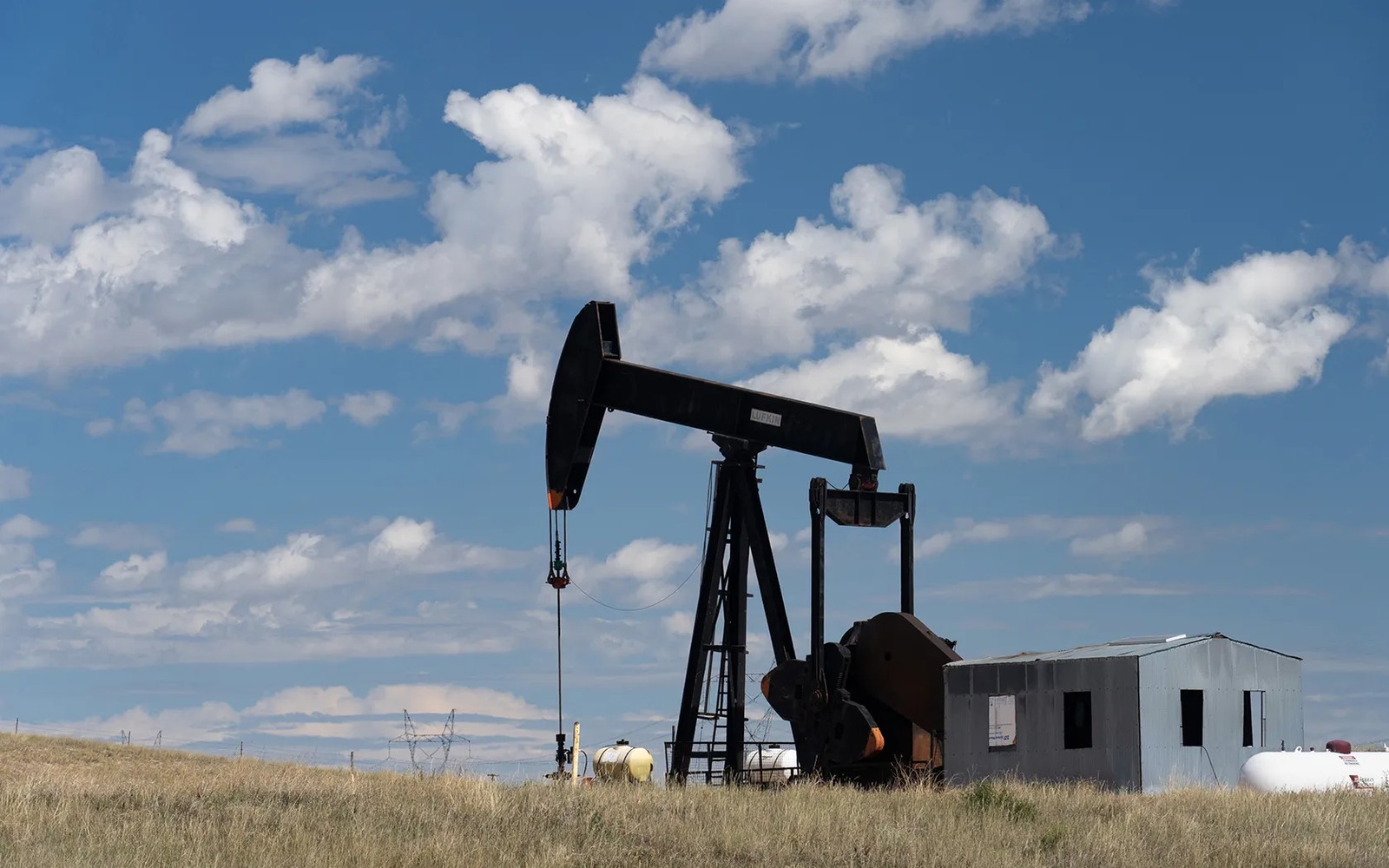
Niobrara Mineral Rights
Niobrara isn't a basin, it's a formation, and it shows up under several different basins with very different drilling histories, which is the first thing worth untangling before valuing a Niobrara mineral tract.
The Niobrara Formation is a widespread chalk and shale interval that underlies parts of Colorado, Wyoming, Nebraska, Kansas, and South Dakota. It's best known as a primary target in the Denver-Julesburg Basin, where it's been developed intensively alongside the Codell formation, but the same Niobrara rock also extends into the Powder River Basin in Wyoming, where it's one of several stacked oil targets, and into other parts of the region at lower development intensity. That geographic spread means 'Niobrara mineral rights' can describe genuinely different investment situations depending on which basin your tract actually sits in.
Because of that overlap, the most useful first step for any Niobrara mineral owner is figuring out which basin and which operator development program your tract falls under, rather than relying on the formation name alone to estimate value.
The DJ Basin Niobrara Is the Play Most People Mean
When people talk about the Niobrara play, they're usually describing the DJ Basin development in Weld County, Colorado, and nearby areas, where the Niobrara and Codell have supported extensive multi-well pad drilling for years. This is the most intensively developed expression of the formation, and mineral offers here reflect that density of activity, along with Colorado's evolving setback and permitting rules that affect where new wells can actually be sited.
The Powder River Basin Niobrara Is a Different Story
In Wyoming's Powder River Basin, the Niobrara is one of several stacked oil-bearing intervals alongside the Turner and Mowry formations, and development there has been less consistent than in the DJ Basin, with periods of significant operator interest followed by quieter stretches. A Niobrara tract in the Powder River Basin should generally be evaluated against that basin's own drilling history and stacked-pay potential, not against DJ Basin Weld County comparables, since the development intensity and operator base are different.
Broader Niobrara Acreage Outside the Core Plays
The Niobrara also extends into parts of Nebraska, Kansas, and South Dakota at generally lower thermal maturity and with far less horizontal development history. Minerals in these areas are typically valued conservatively, since there's limited nearby well data to establish what realistic production and decline would look like, and operator interest has been sparse compared to the DJ and Powder River cores.
What to Check Before Assuming a Range Applies to You
Given how much the story changes basin to basin, the first practical step is pulling recent well and permit data for your specific county and section from the relevant state oil and gas commission — Colorado, Wyoming, Nebraska, or Kansas, depending on where your tract sits. That will tell you far more about realistic value than any single 'Niobrara' figure, since the formation's value story genuinely splits by basin rather than functioning as one uniform play.
Why Depth and Thermal Maturity Matter Within the Formation
Even within a single basin, the Niobrara varies in depth and in how thermally mature the rock is, which affects whether it produces oil, a mix of oil and gas, or leans toward drier gas in a given area. That variability is part of why operators have concentrated so heavily on specific counties within the DJ and Powder River basins rather than developing the formation uniformly across its full geographic extent — not every part of the Niobrara's footprint has proven economic to drill, even where the rock is present at reasonable depth.
Questions That Can Move the Range
Is the Niobrara the same thing as the DJ Basin?
No — the Niobrara is a rock formation that underlies the DJ Basin along with other basins including the Powder River Basin in Wyoming. The DJ Basin is simply the most intensively developed expression of it, which is why the two get used interchangeably in casual conversation.
Why would your Wyoming Niobrara minerals be worth less than a Colorado tract?
Development intensity and history differ significantly by basin — the DJ Basin in Colorado has seen much denser, more consistent drilling than the Powder River Basin's Niobrara target, which affects how buyers price the two.
How do you find out which basin your Niobrara tract is actually in?
Check your legal description against the relevant state oil and gas commission's basin and field maps — Colorado, Wyoming, Nebraska, and Kansas each maintain records that can confirm your county and section's basin designation.
Does the Niobrara produce oil or gas?
Both, depending on location and depth — in the DJ Basin it's a mixed oil-and-gas target, while in parts of the Powder River Basin it contributes to a broader stacked oil play alongside other formations.
Should you compare your Niobrara offer to a national shale-play average?
It's better to compare against tracts in the same basin and county, since the formation's development intensity and economics genuinely differ between the DJ Basin core and its broader, less-developed extensions elsewhere.
Test the next variable in the range
Bakken Mineral Rights
Bakken mineral rights in North Dakota and Montana vary widely by county and well spacing. See what pushes a Williston Basin tract toward the high or low end.
Permian Basin Mineral Rights
Permian Basin mineral rights command the country's top offers on average, but the spread within the basin is huge. What actually separates high from low.
Delaware Basin Mineral Rights
Delaware Basin mineral rights are among the most sought-after in the country. See why, and why even here the range between counties and units is wide.
Ask What This Changes in the Range
Describe the property, county and state, interest type, producing status, net acres if known, records available, and the decision the value range needs to support. Or call 307-355-1195.