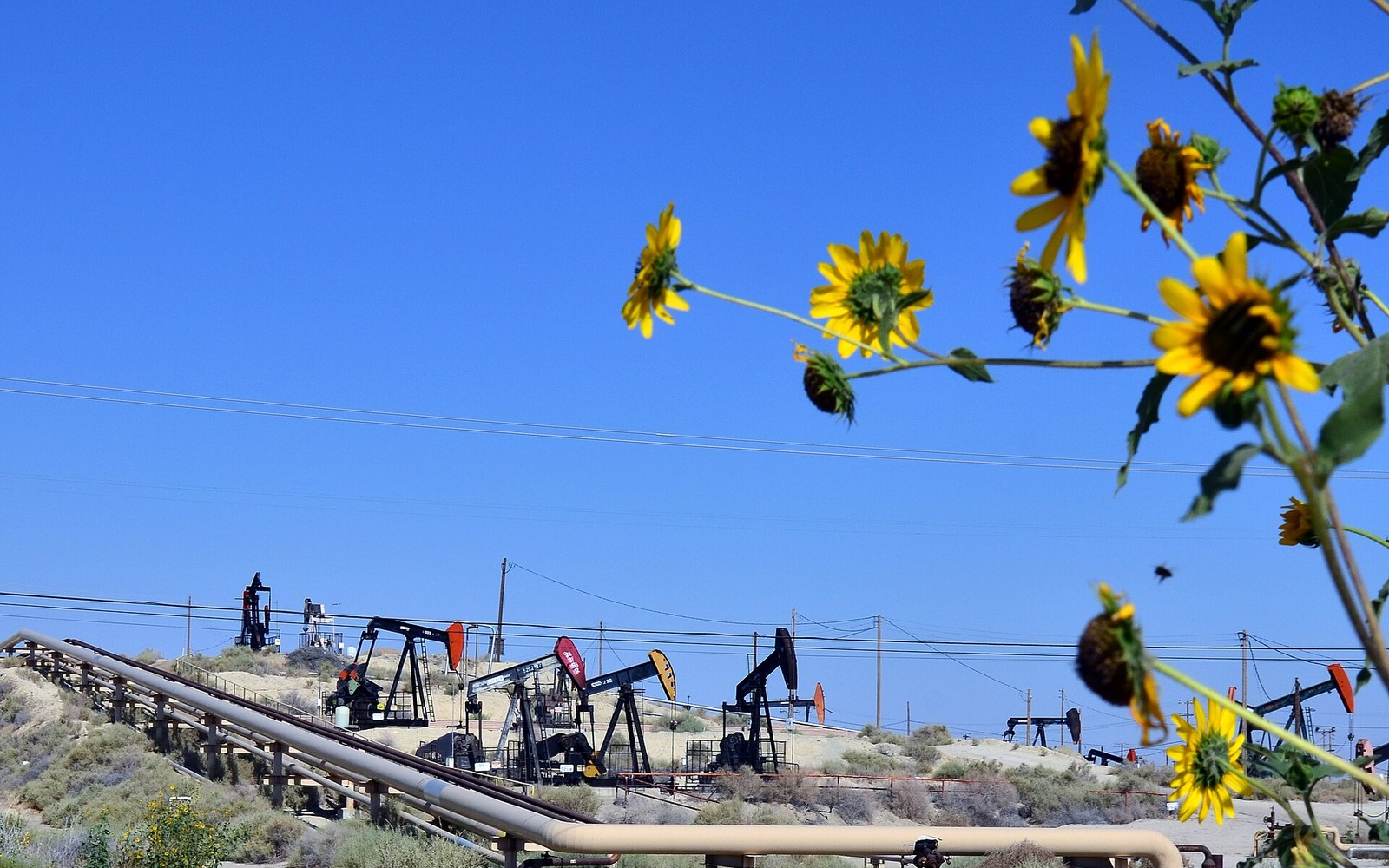
Delaware Basin Mineral Rights
If there's one part of the country where mineral offers regularly make headlines, it's the Delaware Basin — but even here, the range between a hot section and a quiet one is enormous.
The Delaware Basin is the western sub-basin of the Permian Basin, covering Loving, Reeves, Culberson, and Ward counties in Texas and Eddy and Lea counties in New Mexico. It's stacked with prospective zones — the Wolfcamp, Bone Spring, and Avalon shale, among others — which means a single spacing unit can sometimes support multiple horizontal wells landed at different depths, all producing from the same surface acreage over time. That density of pay zones is a big part of why the Delaware Basin commands some of the strongest mineral valuations in the country.
But strong doesn't mean uniform. Well spacing, operator identity, whether a tract sits in a currently active development program, and oil price all move the number meaningfully — a top-tier Loving County unit and a flank-of-the-play New Mexico tract are not priced off the same table.
Multiple Stacked Zones Mean Multiple Wells Per Unit
Operators here have developed the Wolfcamp A, B, and sometimes C benches along with the Bone Spring intervals as separate targets within the same spacing unit, sometimes drilling several laterals at different depths under the same surface acreage over a period of years. For a mineral owner, that stacked-pay reality is central to why offers on Delaware Basin minerals often carry a premium over single-zone plays elsewhere — a buyer is valuing the realistic potential for several wells, not one.
Where in the Basin Still Matters Enormously
Core counties like Loving, Reeves, and Culberson on the Texas side, and the New Mexico side around Eddy and Lea counties, have seen the heaviest and most consistent horizontal development. Move toward the basin's structural edges and the pay thins or gets more geologically complex, and operator activity drops off accordingly. A tract's specific location within the basin, well beyond simply being 'in the Delaware,' is usually the first thing a serious buyer checks.
Oil Price Cycles Hit This Basin Hard, Both Ways
Because the Delaware is capital-intensive to drill and heavily oil-weighted, it responds sharply to crude price swings — both the 2014-2016 downturn and the 2020 crash hit activity here noticeably, and strong oil prices have historically pulled rig counts and mineral offers up quickly in response. If you're evaluating an offer, it's worth knowing roughly where oil prices and rig activity stood when that number was quoted, since a Delaware Basin offer can move meaningfully within a single year depending on the cycle.
Water and Infrastructure Are Part of the Economics Now
Produced water volumes in the Delaware Basin are large, and water midstream infrastructure — recycling, disposal wells, and takeaway capacity — has become a real factor in how economic a given area is to develop. Areas with built-out water infrastructure and pipeline takeaway tend to see more consistent operator interest than remote sections still waiting on infrastructure buildout, which can be worth asking about if you're comparing offers across different parts of the basin.
How Operator Identity Factors Into an Offer
Because the Delaware Basin has attracted both large public operators with multi-year development programs and smaller private operators drilling more opportunistically, who is actually developing the acreage around your tract can shape how confident a buyer feels about near-term drilling. A tract inside a large operator's stated multi-year program tends to draw a stronger offer than one where the nearest activity came from a smaller operator with no publicly disclosed development plan, simply because the odds of continued drilling look more predictable in the first case.
Questions That Can Move the Range
Why do Delaware Basin mineral rights often sell for more than other plays?
The basin has multiple stacked, economically productive zones like the Wolfcamp and Bone Spring, which lets operators develop several wells under the same acreage over time — that multi-zone potential tends to support stronger offers than single-target plays.
Does being 'in the Delaware Basin' guarantee a strong offer?
No. Location within the basin matters a great deal — core counties with heavy, consistent drilling command different offers than sections near the basin's structural edges with thinner or more complex pay.
Why did your offer change significantly from one year to the next?
The Delaware Basin is capital-intensive and oil-weighted, so it responds sharply to crude price cycles; rig counts and mineral offers here have moved quickly in both directions in past downturns and upswings.
Does water infrastructure really affect mineral value?
It can influence how economic development is in a given area — sections with built-out water recycling and disposal capacity tend to see steadier operator interest than remote areas still waiting on that infrastructure.
How many wells could realistically be drilled on your unit?
It depends on which zones are prospective under your specific tract and the operator's current development plan — a landman or buyer pulling permit history for your section can give a more grounded estimate than a basin-wide average.
Test the next variable in the range
Midland Basin Mineral Rights
Midland Basin mineral rights sit in the Permian's most drilled sub-basin. How Spraberry and Wolfcamp stacking and county location shape the range.
Anadarko Basin Mineral Rights
What Anadarko Basin mineral rights are worth depends on depth, well age, and whether you're in the Woodford fairway or a quiet stretch. Ranges and drivers explained.
SCOOP & STACK Mineral Rights
SCOOP and STACK mineral rights in Oklahoma are two separate plays with their own counties and windows. See what actually drives value in each.
Ask What This Changes in the Range
Describe the property, county and state, interest type, producing status, net acres if known, records available, and the decision the value range needs to support. Or call 307-355-1195.