Midland Basin Mineral Rights
The Midland Basin has been drilled longer and denser than almost anywhere else in the Permian, and that long history is exactly why mineral value there is so tied to which specific bench and unit you're in.
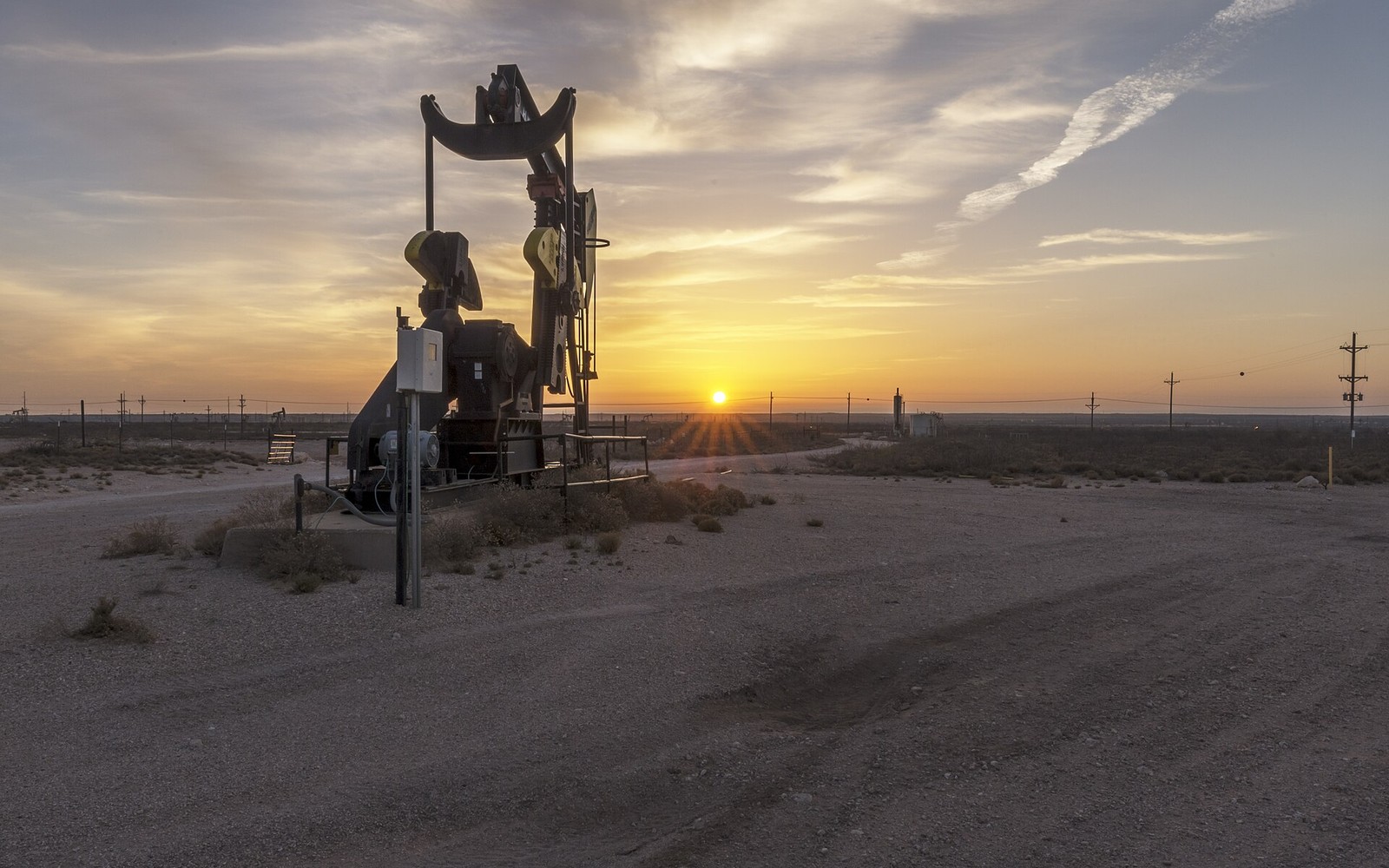
The Midland Basin is the eastern sub-basin of the Permian Basin, covering Midland, Martin, Howard, Glasscock, and Reagan counties among others. Unlike some newer shale plays, this ground has been producing oil since the 1920s, first from conventional vertical wells and more recently through horizontal development of the Spraberry and Wolfcamp intervals, which together make up one of the thickest, most prolific oil-bearing rock columns in the country. Decades of vertical drilling followed by a horizontal boom means a lot of Midland Basin tracts carry complicated development histories, sometimes with legacy vertical wellbores still producing alongside newer horizontal units.
Because the basin has been developed so intensively for so long, buyers here pay close attention to exactly which benches remain undeveloped or under-developed on a given tract, since the easy, obvious locations in many units have already been drilled.
Decades of Vertical Drilling Complicate the Picture
Many Midland Basin sections still have older vertical wells from the mid-20th century producing at low rates, sometimes under leases and pooling arrangements that predate horizontal development entirely. When a horizontal Wolfcamp or Spraberry well gets permitted on the same unit decades later, questions can come up about how the new development interacts with old vertical rights, existing pooled units, and legacy royalty terms. Reviewing both the old and new lease history matters more here than in a basin developed entirely within the horizontal era.
Stacked Benches Still Drive the Premium
Like its neighbor the Delaware Basin, the Midland has multiple productive intervals — upper, middle, and lower Spraberry along with several Wolfcamp benches — that can support separate horizontal wells within the same spacing unit over time. That stacked-pay potential is a major reason Midland Basin minerals have generally traded at a premium compared to single-zone conventional plays, though the specific number of undeveloped, economic benches remaining under any given tract varies and is worth checking rather than assuming.
Core County Density vs. the Basin's Edges
Midland, Martin, and Howard counties sit closer to the basin's structural center and have seen the heaviest, most consistent horizontal development. Move toward the edges, and both rock quality and drilling density taper off, which shows up directly in how active operators are and how strong mineral offers tend to run. As with the Delaware Basin, the county name is a starting point, not the full answer — permit and production history for the specific section matters more.
Oil Price Cycles and What They've Done Here
The Midland Basin is heavily oil-weighted, and its intensive, capital-heavy development pace has made it sensitive to crude price swings, similar to the Delaware Basin — activity accelerated notably when oil prices were strong and pulled back during downturns like 2015-2016 and 2020. When comparing an older offer to a current one, it's reasonable to factor in where oil prices and basin-wide rig counts stood at each point, since that context often explains more of the gap than anything specific to the tract.
Working Interest vs. Royalty Distinctions Worth Knowing
Because the Midland Basin has such a long conventional history, it's more common here than in some newer plays for mineral owners to have inherited or acquired a working interest, or a non-participating royalty interest with unusual carve-outs, rather than a straightforward royalty. Working interest carries a share of drilling and operating costs along with production revenue, which is a fundamentally different economic position than a cost-free royalty. Confirming exactly which type of interest you hold, from the deed and any operating agreement, changes how any valuation conversation should even start.
Questions That Can Move the Range
Why do some Midland Basin tracts have both old and new wells?
The basin has been drilled since the 1920s with conventional vertical wells, and horizontal Spraberry and Wolfcamp development came decades later on many of the same units, which is why legacy vertical production sometimes sits alongside newer horizontal wells.
How many horizontal wells could still be drilled on your unit?
It depends on how many of the Spraberry and Wolfcamp benches under your specific tract remain undeveloped, which varies by section — pulling recent permit and completion history is more reliable than a basin-wide assumption.
Is Midland County automatically worth more than a basin-edge county?
Generally the core counties, including Midland, Martin, and Howard, have seen denser and more consistent development, which has tended to support stronger offers, but specific tract history still matters more than county name alone.
How much does oil price affect Midland Basin mineral offers?
Meaningfully — this is a heavily oil-weighted, capital-intensive basin, and drilling activity along with mineral offers have historically moved up and down with crude price cycles.
What's the difference between a royalty interest and a working interest here?
A royalty interest is cost-free and shares only in production revenue, while a working interest shares in drilling and operating costs as well; given the basin's long conventional history, it's worth confirming which type you actually hold before valuing anything.
Test the next variable in the range
Anadarko Basin Mineral Rights
What Anadarko Basin mineral rights are worth depends on depth, well age, and whether you're in the Woodford fairway or a quiet stretch. Ranges and drivers explained.
SCOOP & STACK Mineral Rights
SCOOP and STACK mineral rights in Oklahoma are two separate plays with their own counties and windows. See what actually drives value in each.
Eagle Ford Shale Mineral Rights
Eagle Ford Shale mineral value splits into three windows: oil, condensate, and dry gas. Which window your tract sits in changes the entire conversation.
Ask What This Changes in the Range
Describe the property, county and state, interest type, producing status, net acres if known, records available, and the decision the value range needs to support. Or call 307-355-1195.