Permian Basin Mineral Rights
The Permian Basin gets talked about as if it has one price, but it's really two major sub-basins, dozens of counties, and a spread between the best and weakest tracts that's wider than in almost any other play.
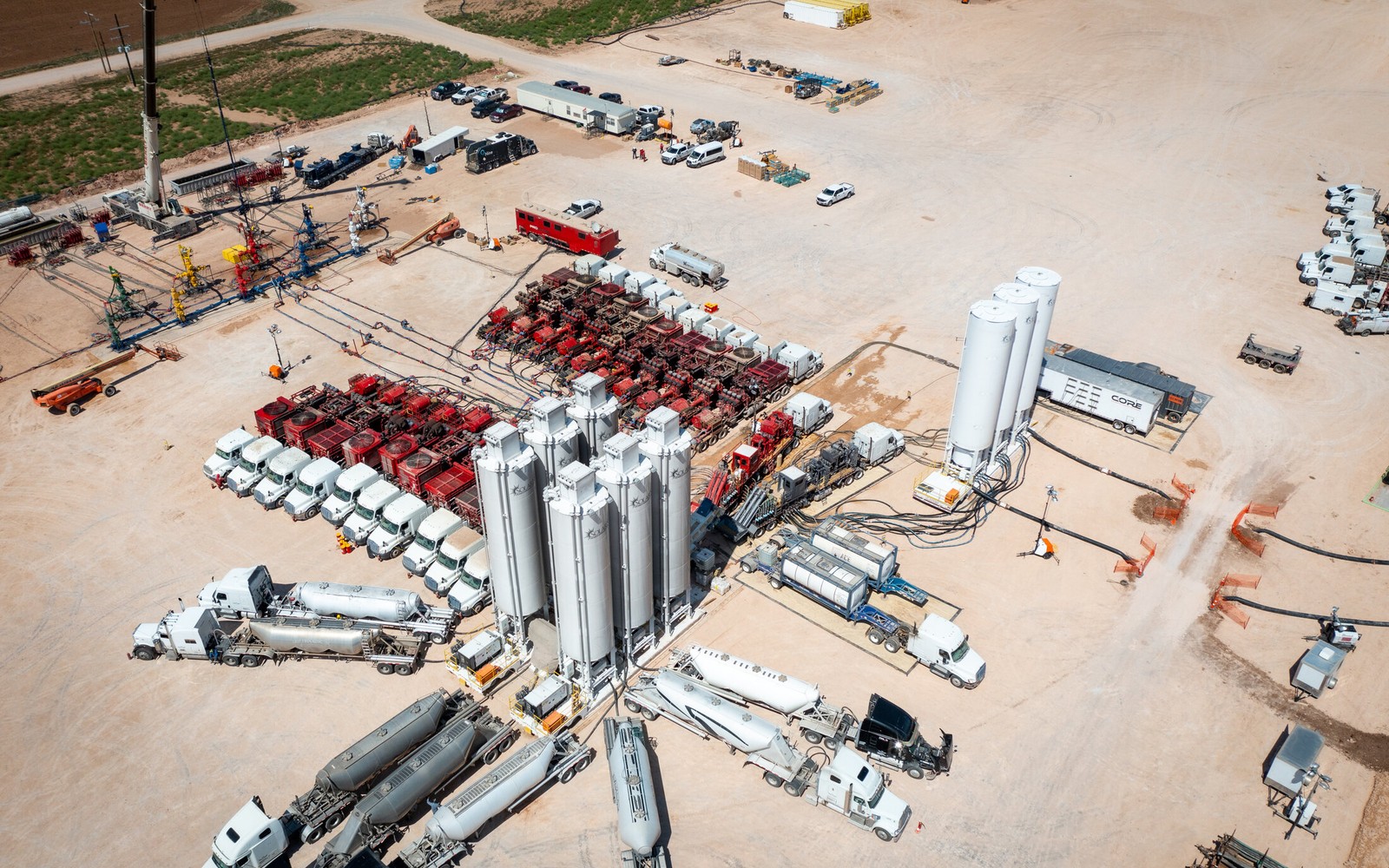
The Permian Basin covers a huge stretch of West Texas and southeast New Mexico, and it's really an umbrella term for two distinct sub-basins — the Midland Basin to the east and the Delaware Basin to the west — separated by the Central Basin Platform. Together they've become the most productive oil-producing region in the country, with a level of rig activity, private equity interest, and public company development that no other U.S. basin currently matches. That overall strength is why Permian minerals, on average, tend to command some of the higher offers nationally.
But 'Permian Basin' as a search term flattens an enormous amount of internal variation. A core Loving County or Midland County unit with multiple stacked producing zones is a completely different asset than a flank-of-the-basin tract in a county that's seen only scattered drilling. Understanding which part of the Permian you're actually in matters more here than in almost any other play.
Two Sub-Basins, Two Somewhat Different Stories
The Midland Basin has a longer conventional drilling history layered under its modern Spraberry and Wolfcamp horizontal development, while the Delaware Basin's horizontal boom came somewhat more recently but has been intensely capital-heavy, with some of the strongest per-well economics in the country. Both are strong plays by national standards, but they have their own county-level cores, their own operator bases, and their own development paces, which is why a Permian-wide range is really a blend of two different distributions.
Stacked Pay Is the Basin's Defining Feature
What sets the Permian apart from most other plays is the sheer number of separate, economically drillable zones stacked on top of each other in many areas — multiple Wolfcamp benches, Spraberry intervals, and Bone Spring zones in the Delaware side, sometimes allowing several horizontal wells to be developed under the same surface acreage over a period of years. That multi-zone potential is the single biggest reason Permian minerals often draw stronger offers than single-target plays, since a buyer isn't pricing one well, they're pricing a realistic sequence of them.
County and Section Location Still Rules
Even within the strongest parts of the Permian, activity concentrates in specific counties — Midland, Martin, Howard, Reagan on the Midland side; Loving, Reeves, Culberson, Ward, and the New Mexico counties of Eddy and Lea on the Delaware side. Move toward the structural edges of either sub-basin and both the number of prospective zones and the pace of drilling drop off. Before comparing your offer to any Permian-wide figure, it's worth confirming where your specific section actually sits relative to that core-versus-flank divide.
Oil Price and Capital Cycles Move This Basin Fast
Given how capital-intensive Permian development is, both sub-basins respond quickly to crude price swings, and to broader shifts in how much capital public and private operators are willing to deploy into new drilling. Downturns in 2015-2016 and 2020 both hit Permian rig counts hard; strong oil price periods have pulled activity — and mineral offers — up quickly in response. An offer quoted during a strong oil price stretch shouldn't be assumed to hold steady indefinitely.
Consolidation Among Operators Has Reshaped the Basin
The Permian has seen substantial merger and acquisition activity among operators in recent years, with larger companies absorbing smaller ones and consolidating acreage positions into more efficient, larger-scale development programs. For a mineral owner, a change in operator doesn't change your underlying ownership, but it can affect development pace — a large operator with a multi-year drilling program and significant scale may develop a unit differently than a smaller company would have, which is worth watching if you see an operator change reflected on your division order.
Questions That Can Move the Range
Is the Midland Basin or Delaware Basin worth more?
Neither is uniformly better — both are strong, heavily developed sub-basins with their own core counties and stacked-pay potential; specific tract location within each matters more than which sub-basin it falls in.
Why do Permian offers vary so much even within one county?
Even strong counties have core and flank areas, and the number of economically prospective stacked zones can differ significantly section to section, which is why buyers look at specific permit and completion history rather than county averages.
What makes stacked pay so valuable to a buyer?
It means multiple separate wells can potentially be developed under the same acreage over time rather than just one, so a buyer is pricing a realistic sequence of future wells, not a single event.
How much does oil price affect Permian mineral offers?
Significantly — Permian development is capital-intensive and has historically responded quickly to crude price cycles in both directions, so offers can shift meaningfully within a single year depending on market conditions.
Does a change in operator on your division order matter?
It can be worth noting — a larger operator with a stated multi-year development program may pursue your unit differently than a smaller company would have, though your underlying ownership and royalty fraction stay the same regardless of who operates the well.
Test the next variable in the range
Delaware Basin Mineral Rights
Delaware Basin mineral rights are among the most sought-after in the country. See why, and why even here the range between counties and units is wide.
Midland Basin Mineral Rights
Midland Basin mineral rights sit in the Permian's most drilled sub-basin. How Spraberry and Wolfcamp stacking and county location shape the range.
Anadarko Basin Mineral Rights
What Anadarko Basin mineral rights are worth depends on depth, well age, and whether you're in the Woodford fairway or a quiet stretch. Ranges and drivers explained.
Ask What This Changes in the Range
Describe the property, county and state, interest type, producing status, net acres if known, records available, and the decision the value range needs to support. Or call 307-355-1195.