Bakken Mineral Rights
Ask ten Bakken mineral owners what their acreage is worth and you'll get ten different answers, because the Williston Basin rewards a handful of counties heavily and treats the rest as background production.
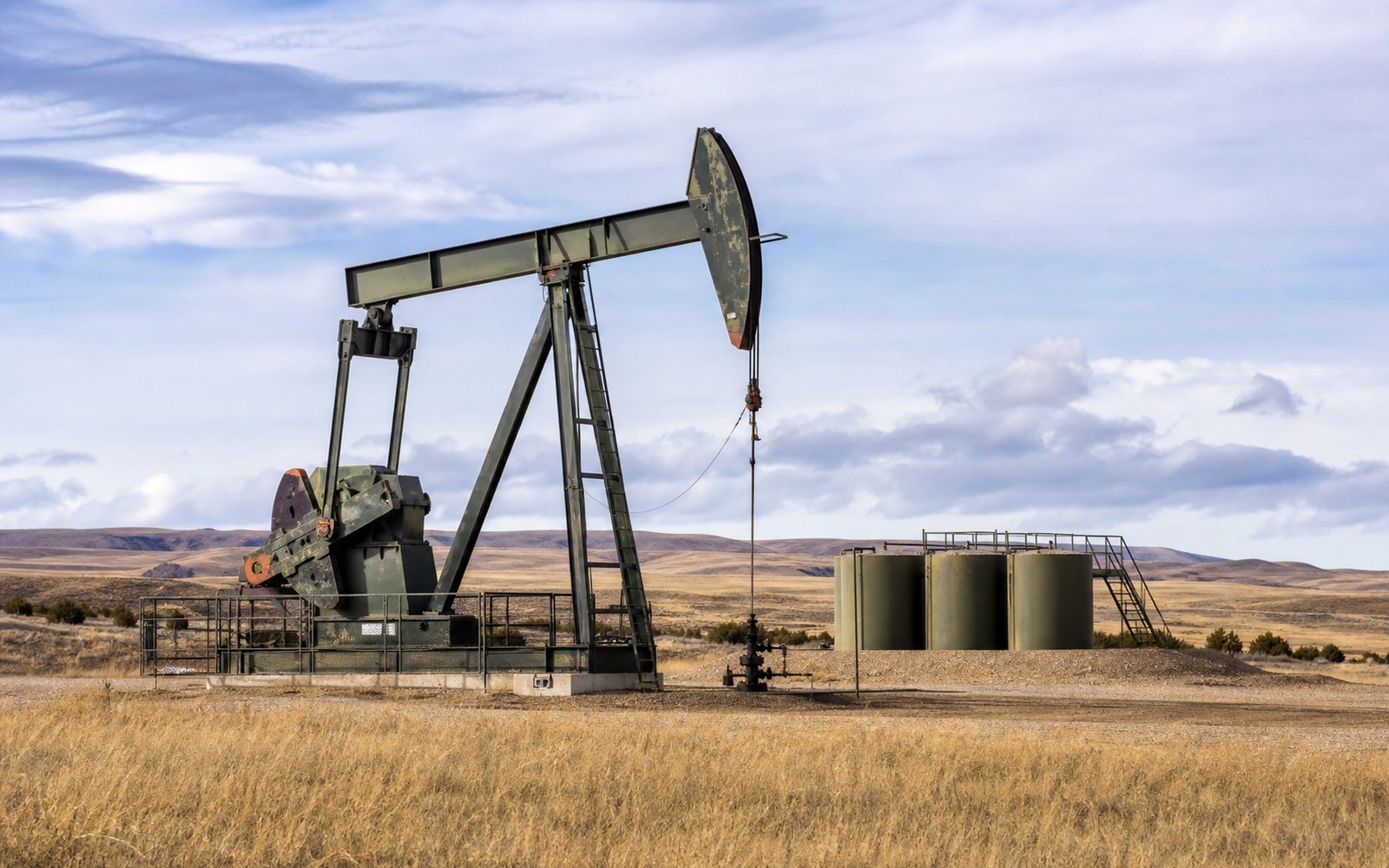
The Bakken and the underlying Three Forks formation sit in the Williston Basin, spanning northwest North Dakota and into eastern Montana. This was the shale play that turned North Dakota into a top oil-producing state, and it's still one of the more actively drilled oil plays in the country, though it's well past its early 2010s frenzy. Mountrail, McKenzie, Williams, and Dunn counties have carried most of the horizontal drilling and remain the core of the play; move toward the basin's edges and well density drops fast.
Because the Bakken is oil-weighted rather than gas-weighted, its mineral values track crude prices more directly than something like the Anadarko or Fayetteville. A producing Bakken royalty in a core county, valued against strong recent monthly checks, sits in a different world than a non-producing tract on the basin's flank.
Core Counties Carry the Basin
Well density in McKenzie and Mountrail counties is high enough that most sections have multiple horizontal laterals stacked across the Bakken and Three Forks benches. That density matters for valuation two ways: it means existing production is often substantial, and it means there's real potential for additional infill wells to be permitted later, which buyers factor into how much they're willing to pay above pure current-income value.
Outside the core, in counties like Divide, Burke, or the Montana side of the play, wells exist but are more scattered, and mineral offers there tend to sit noticeably lower unless a specific tract has recent nearby activity.
Multi-Bench Development Changes the Reserve Math
Operators here don't just drill one well per unit — the middle Bakken and multiple Three Forks benches can each support separate laterals in the same spacing unit. For a mineral owner, that stacked development potential is part of what a buyer is pricing when they look at an undrilled or partially drilled unit — today's producing well is only part of the picture, alongside the realistic chance of one or two more wells landing in different benches over the coming years.
Oil Price Sensitivity and Decline
Bakken wells are known for a steep initial decline — strong first-year production that falls off substantially before settling into a longer, flatter tail. Buyers build that curve into any multiple they offer on a producing royalty, so a brand-new well's first monthly check is not a reliable stand-in for what the tract will pay in year three. Combine that decline behavior with crude price swings, and it's easy to see why two offers on the same tract, six months apart, can differ meaningfully depending on where WTI was trading when each was made.
Flaring, Gathering, and Deductions
The Bakken has historically had more associated gas flaring and gathering infrastructure buildout than some other basins, and North Dakota has tightened flaring capture requirements over the years. Post-production deductions for gathering, processing, and transportation can meaningfully affect a net royalty check, so when comparing your own statement to a general market range, check whether the range you're seeing is gross or net of those deductions before assuming something is off.
Where a Tract Sits Within the Drilling Unit
North Dakota spacing units in the core Bakken area are commonly a full section or larger, and how your specific tract's acreage relates to the lateral path of the producing wells matters for how confident a buyer feels about the numbers. A tract fully within a unit with several completed laterals is a cleaner story than a sliver of acreage pooled at the edge of a unit where only one well currently reaches. Pulling the unit's pooling order and plat from the North Dakota Industrial Commission clarifies exactly how your acreage factors into what's being paid.
Questions That Can Move the Range
Why do Bakken mineral offers vary so much by county?
Well density and drilling activity are concentrated in a handful of core counties — McKenzie, Mountrail, Williams, and Dunn — while the basin's edges see far less development, and offers track that concentration closely.
Does having one producing well mean your tract is fully developed?
Not necessarily. Multi-bench development means additional Bakken or Three Forks wells can sometimes still be permitted in the same unit, which buyers factor into pricing beyond just the current producing well.
Why did your first royalty check look bigger than later ones?
Bakken wells typically show a steep initial production decline, so early checks reflect peak output; later checks settle onto a flatter, lower long-term curve, which is normal for this play.
Are Bakken minerals more tied to oil price than gas price?
Yes — the play is oil-weighted, so crude price movements affect valuations and drilling economics here more directly than natural gas pricing does.
What should you check if your royalty check seems low relative to production?
Review your division order and check statement for post-production deductions like gathering and transportation, which can lower a net check below what gross production numbers might suggest.
Test the next variable in the range
Permian Basin Mineral Rights
Permian Basin mineral rights command the country's top offers on average, but the spread within the basin is huge. What actually separates high from low.
Delaware Basin Mineral Rights
Delaware Basin mineral rights are among the most sought-after in the country. See why, and why even here the range between counties and units is wide.
Midland Basin Mineral Rights
Midland Basin mineral rights sit in the Permian's most drilled sub-basin. How Spraberry and Wolfcamp stacking and county location shape the range.
Ask What This Changes in the Range
Describe the property, county and state, interest type, producing status, net acres if known, records available, and the decision the value range needs to support. Or call 307-355-1195.