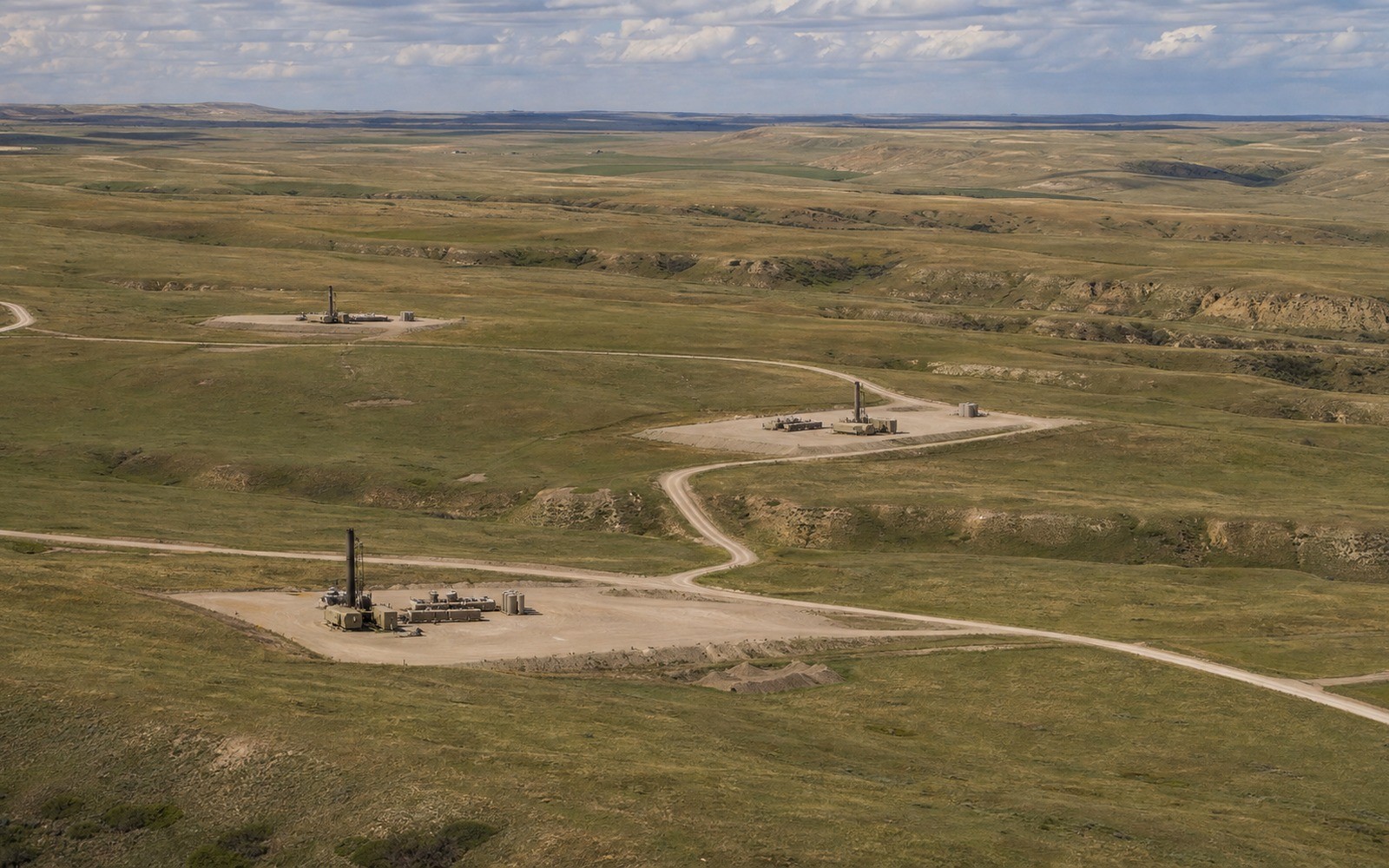
Piceance Basin Mineral Rights
The Piceance Basin doesn't get the national attention that the Permian or Bakken do, but tight gas and coalbed methane development here has quietly supported real mineral value for decades in a specific corner of western Colorado.
Located in northwest Colorado, largely across Garfield and Rio Blanco counties, the Piceance Basin has been developed primarily for tight gas from the Mesaverde formation and, in some areas, coalbed methane from coal seams within the same broader stratigraphic package. Development here dates back decades, with a significant expansion during the 2000s natural gas drilling boom, followed by a slowdown that tracked broader weak gas pricing through much of the following decade.
This is a gas-focused basin without the oil-price cushion that helps some other plays, which means its economics and mineral values are tied closely to Henry Hub and regional Rockies gas pricing, including the basis differentials that have historically affected realized prices for gas produced in this part of Colorado.
Tight Gas Requires Real Completion Investment
Mesaverde gas sands in the Piceance are naturally tight, meaning they don't flow well without substantial hydraulic fracturing to create pathways for gas to move to the wellbore. That makes wells here more expensive to complete than a naturally higher-permeability reservoir, which in turn means operators need reasonably strong gas prices to keep drilling at pace. When gas prices soften for an extended stretch, this is exactly the kind of basin where new permitting activity tends to slow first.
Coalbed Methane Adds a Second Development Story
In parts of the basin, coal seams have also been developed for coalbed methane, which behaves differently than tight sand gas — often involving an initial dewatering period before gas rates build. A mineral owner whose tract has both Mesaverde and coal seam potential may see development interest from either or both target types depending on which an operator finds more economic at a given time, which is worth understanding when comparing your situation to a neighbor's.
A Basin That's Cooled From Its 2000s Peak
Drilling activity in the Piceance was considerably more intense during the 2000s gas boom than it has been in more recent years, as persistently soft gas prices through much of the 2010s made new tight gas completions here less attractive relative to other basins. That means most current mineral value in the Piceance leans on existing production and its remaining decline rather than an active new-drilling story, though renewed interest can appear during periods of stronger gas pricing or improved regional takeaway.
Federal and Split-Estate Land Is Common
Like much of western Colorado, land ownership patterns in the Piceance often involve split estates, where surface and mineral ownership were separated historically, along with a meaningful amount of federal mineral ownership managed through the Bureau of Land Management. If you own private minerals here, confirming your specific ownership status and how your tract fits into the surrounding federal and private checkerboard is worth doing before assuming standard private-mineral assumptions apply cleanly.
What Realistic Offers Look Like in This Basin
For a producing Piceance tract, offers tend to be built off trailing royalty income and a conservative reserve-life estimate, reflecting the play's mature status and gas-price dependence. For undeveloped acreage, expect a modest, largely speculative number tied to whether nearby operators have shown recent interest, since broad new development across the basin has not been the pattern in recent years. Comparing your offer to a basin with an active oil-price cushion, like the Permian, sets an unrealistic bar for a dry gas play at this stage of its life.
Questions That Can Move the Range
Is the Piceance Basin an oil play or a gas play?
It's primarily a gas play, developed mainly through tight Mesaverde sands and, in some areas, coalbed methane, so its economics and mineral values track natural gas pricing rather than crude oil.
Why has Piceance drilling slowed compared to the 2000s?
Persistently soft natural gas prices through much of the 2010s made tight gas completions here less economically attractive relative to other basins, which slowed new permitting even as existing wells kept producing.
What's the difference between Mesaverde gas and coalbed methane on your tract?
Mesaverde gas comes from tight sand reservoirs requiring significant fracturing, while coalbed methane comes from coal seams and often needs an initial dewatering period before gas rates build — some tracts have potential for both.
Should you worry about federal mineral ownership near your tract?
It's worth checking. Split estates and federal mineral ownership through the BLM are common in this part of Colorado, and understanding how your tract fits into that pattern affects how nearby development and unitization work.
Would strengthening gas prices likely bring new drilling back?
It's possible in the strongest parts of the basin, but a sustained price improvement would generally need to hold for a while before operators commit to new tight gas completions here, given how capital-intensive Mesaverde development can be.
How do you confirm your ownership status in a split-estate area?
Pulling your deed history and any severance documents from the county recorder, along with checking BLM land status records for adjacent federal minerals, is the clearest way to confirm exactly what you own before valuing anything.
Test the next variable in the range
Uinta Basin Mineral Rights
Uinta Basin mineral rights in Utah involve waxy crude that needs special handling. See how that logistics quirk, and rail access, shapes value here.
Barnett Shale Mineral Rights
The Barnett Shale launched the shale gas era and is now a mature play. Here's how that maturity, not hype, shapes what mineral rights there are worth today.
Fayetteville Shale Mineral Rights
Fayetteville Shale mineral rights in Arkansas reflect a mature, gas-only play well past its boom years. What that means honestly for offers today.
Ask What This Changes in the Range
Describe the property, county and state, interest type, producing status, net acres if known, records available, and the decision the value range needs to support. Or call 307-355-1195.