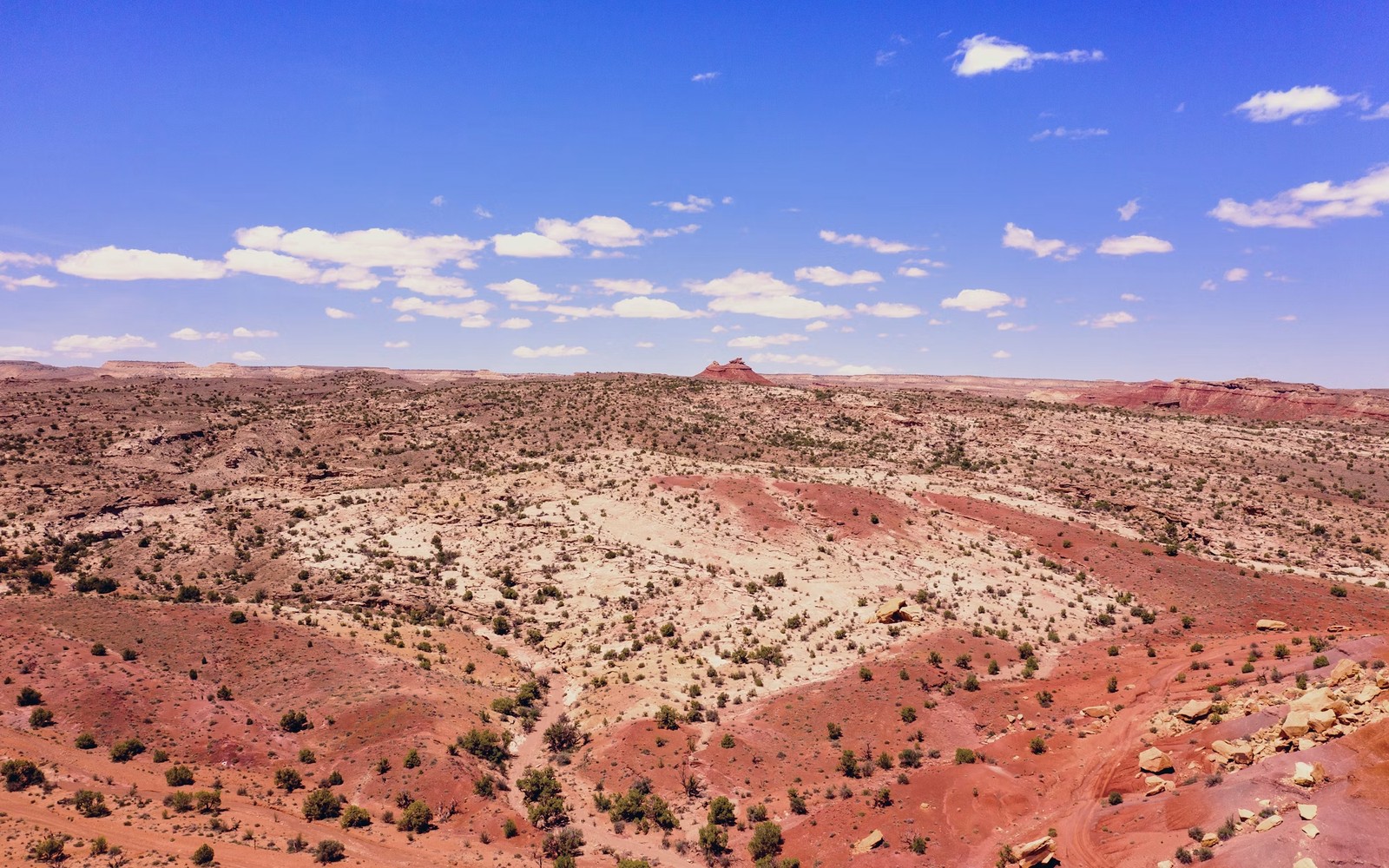
Uinta Basin Mineral Rights
Uinta Basin oil has a wax content high enough that it needs to be heated or specially handled just to move through a pipeline, and that one quirk explains more about mineral value here than almost anything else.
The Uinta Basin sits in northeast Utah, centered on Duchesne and Uintah counties, and has been an oil-producing region for decades, with more recent horizontal development targeting zones within the Green River and other formations. What sets it apart from most other basins is the crude itself: Uinta Basin oil is naturally waxy, meaning it solidifies at relatively warm temperatures compared to typical crude, which historically limited how it could be transported and has shaped infrastructure decisions in the basin for years.
That logistics challenge has made rail transport, including specially designed heated railcars, a significant part of how Uinta crude gets to market, and pipeline and rail capacity out of the basin has been a real factor in how much operators are willing to invest in new drilling at any given time. For a mineral owner, understanding that transportation constraint is genuinely useful context for interpreting activity levels here.
Waxy Crude Changes the Economics
Because Uinta crude requires special handling, either through heated pipeline segments or rail transport, getting it to refining markets costs more than moving conventional light crude from a basin with easy pipeline access. That added transportation cost factors into wellhead economics and, by extension, into what operators can afford to pay for new leases or how aggressively they develop existing acreage. It's a basin-specific cost that doesn't show up in most other U.S. oil plays at the same scale.
Rail Capacity Has Been a Real Bottleneck at Times
Given the reliance on rail for a meaningful share of Uinta crude, expansions or constraints in rail loading and unloading infrastructure have directly affected how much oil can economically leave the basin, which in turn affects drilling pace. Proposed rail line expansions serving the basin have been part of the regional conversation for years, and their progress or delay is worth being aware of as a factor that can shift development economics independent of oil price itself.
Federal, Tribal, and Private Minerals All Sit in the Same Basin
The Uinta Basin includes a mix of ownership types, including significant federal mineral acreage managed by the Bureau of Land Management and Ute Indian Tribe lands and minerals within the Uintah and Ouray Reservation, alongside private mineral ownership. If you own private minerals here, it's worth understanding how your tract relates to this broader ownership patchwork, since it affects how nearby units get formed and who else has a stake in adjacent development decisions.
Oil Price Sensitivity, With an Extra Layer
Like any oil-weighted basin, Uinta development responds to crude price cycles, but the added transportation cost here means the basin's break-even economics sit a bit differently than a basin with straightforward pipeline access to major hubs. During weaker oil price stretches, that extra cost layer can make Uinta drilling less competitive for operator capital relative to basins without the same logistics challenge, which is worth factoring in when comparing activity levels here to a place like the Permian.
What to Check Before Valuing a Uinta Tract
Given the added transportation layer, it's worth confirming whether a well near your tract is producing and roughly how it's getting to market, since rail-dependent production can face different bottlenecks than pipeline-connected acreage closer to existing infrastructure. Utah's Division of Oil, Gas and Mining maintains well and production records by county that can help establish where your specific tract sits relative to both the geology and the basin's transportation realities.
Air Quality Rules Have Also Shaped Development Pace
The Uinta Basin has faced periodic winter ozone concerns tied to oil and gas operations trapped by temperature inversions in the surrounding mountain topography, which has led to additional monitoring and permitting considerations in the region. That environmental layer, on top of the transportation cost quirk, is part of why this basin's development pace has looked different from a more straightforward oil play, and it's reasonable to ask a buyer how they're factoring current regulatory conditions into any offer.
Questions That Can Move the Range
Why does Uinta Basin oil need special transportation?
The crude produced here is naturally waxy and solidifies at relatively warm temperatures compared to typical crude, which has historically required heated pipeline segments or specialized rail transport to move it to market.
How does rail capacity affect your mineral value?
A meaningful share of Uinta crude relies on rail transport, so constraints or expansions in that infrastructure can directly affect how much oil can economically leave the basin, which influences drilling pace and, in turn, mineral demand.
Are there tribal or federal minerals near your tract?
Likely relevant to check — the basin includes substantial federal mineral acreage and Ute Indian Tribe lands and minerals within the Uintah and Ouray Reservation alongside private ownership, which affects how nearby units and development decisions work.
Does oil price affect the Uinta Basin the same way it affects other basins?
Similarly, but with an added layer — the extra cost of handling waxy crude means Uinta economics can be more sensitive to weak oil price stretches than basins with straightforward pipeline access to major hubs.
Do winter air quality issues affect drilling here?
They can factor into permitting and monitoring requirements — the basin has faced periodic winter ozone concerns tied to temperature inversions, which is part of the regional regulatory picture worth understanding alongside the transportation cost quirk.
Test the next variable in the range
Barnett Shale Mineral Rights
The Barnett Shale launched the shale gas era and is now a mature play. Here's how that maturity, not hype, shapes what mineral rights there are worth today.
Fayetteville Shale Mineral Rights
Fayetteville Shale mineral rights in Arkansas reflect a mature, gas-only play well past its boom years. What that means honestly for offers today.
Smackover Formation Mineral Rights
Smackover Formation mineral rights combine a century of oil history with new lithium brine interest. See how both stories shape value differently.
Ask What This Changes in the Range
Describe the property, county and state, interest type, producing status, net acres if known, records available, and the decision the value range needs to support. Or call 307-355-1195.