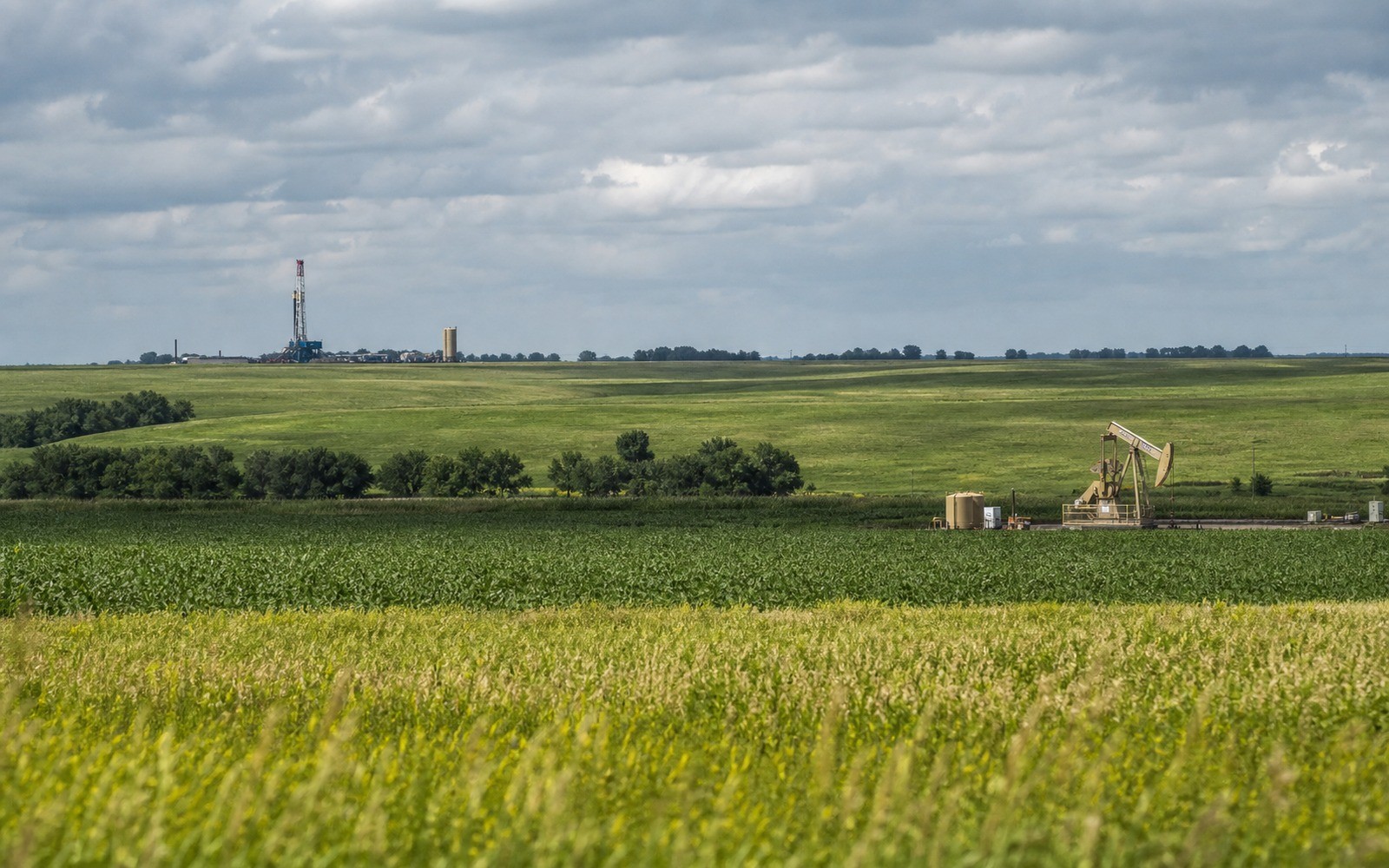
Barnett Shale Mineral Rights
The Barnett Shale is where modern shale gas drilling was proven out, and today it's a mature, largely developed play — which changes the whole conversation around what a mineral acre there is worth.
Centered on Fort Worth and spreading across Tarrant, Johnson, Wise, Denton, and Parker counties, the Barnett was the first shale gas play developed at real scale using horizontal drilling and hydraulic fracturing, starting in the late 1990s and accelerating through the 2000s. That head start means the Barnett is now decades into its production life in most areas, with well density in the urban and suburban core about as high as it gets in a U.S. shale play — some tracts sit under literal neighborhoods with wells drilled from pad sites tucked between homes.
Because the play is mature, new drilling has slowed sharply from its 2008 peak, and most current activity is existing wells declining along a long tail rather than fresh permits. That reshapes what buyers are pricing: a Barnett mineral purchase today is much closer to valuing a mature income stream than betting on a growth story.
A Play Past Its Growth Phase
Peak Barnett drilling activity is well behind it, and gas prices over the past decade haven't consistently supported a return to aggressive new completions in most of the play. That doesn't mean the Barnett is worthless — plenty of wells still produce steady, low-decline gas — but it does mean offers on undeveloped or lightly developed Barnett acreage tend to be modest, since the odds of a new well landing on your specific tract are lower than in an actively expanding basin.
Producing royalty is a different story. A tract with an established, long-producing well can still support a reasonable offer, priced off trailing income and the well's remaining decline profile rather than growth expectations.
Urban Drilling Brings Its Own Complications
Because so much Barnett development happened inside or near the Dallas-Fort Worth metro, ordinances, setback rules, and surface-use restrictions in cities like Fort Worth have shaped where wells could actually be drilled. Some mineral owners in dense suburban areas own interests under land that will likely never see a wellbore because of surface constraints, even though the formation itself is productive at depth. That distinction matters when comparing your tract to a rural Barnett county tract with fewer surface obstacles.
Legacy Leases From the Boom Years
A large share of Barnett minerals are still under leases signed during the 2004-2008 boom, often with royalty fractions and Pugh clause language typical of that era. Some of those leases have gone held-by-production for many years on a single well with no further drilling planned, which can leave a mineral owner locked into old terms indefinitely. Pulling the recorded lease from the Tarrant, Johnson, or relevant county clerk is the only reliable way to know your actual royalty fraction and whether the lease is still validly held.
What a Buyer Is Actually Evaluating
For a mature play like the Barnett, a buyer typically looks hardest at how long the existing well has been declining, whether production has flattened into a stable low-volume tail, and whether any nearby refracturing or recompletion activity suggests renewed interest in the area. Absent that kind of signal, expect offers here to be conservative relative to a hot, actively drilled basin — that's a function of the play's age, rather than a reflection on the tract itself.
Refracturing and Recompletion as a Second Wave
Some operators have gone back into older Barnett wells to refracture them with modern completion techniques, sometimes recovering meaningful additional gas from a well that had otherwise flattened out. This isn't happening broadly across the play, but where it does occur it can genuinely change a producing tract's near-term outlook, giving an old well a second, smaller production bump. If you own a producing Barnett interest and a nearby operator has been active with workovers recently, it's worth asking whether your well has been or could be a candidate.
Questions That Can Move the Range
Is anyone still drilling new wells in the Barnett Shale?
New drilling has slowed substantially since the play's mid-2000s peak. Most current activity is existing wells producing along a long decline rather than fresh permits, though pockets of renewed interest can appear.
Why is your Barnett offer lower than what you hear about newer shale plays?
The Barnett is a mature, largely developed play, so offers are typically priced off existing production and decline curves rather than growth potential, which tends to produce more conservative numbers.
Does living in a dense suburban area affect your mineral value?
It can. City ordinances and surface-use restrictions in parts of the Dallas-Fort Worth metro limit where new wells can physically be drilled, which affects the realistic development potential under some tracts.
Your lease is from the 2000s boom — is it still valid?
Often yes, particularly if a well on the unit is still producing and the lease has gone held-by-production, though the terms and royalty fraction from that era may differ from what's typical today.
What is refracturing and does it change your mineral value?
It's a process of re-stimulating an older well with newer completion methods, which can add a meaningful but temporary production bump in some Barnett wells; it's not universal across the play, so it's worth checking whether it's happening near your specific tract.
Test the next variable in the range
Fayetteville Shale Mineral Rights
Fayetteville Shale mineral rights in Arkansas reflect a mature, gas-only play well past its boom years. What that means honestly for offers today.
Smackover Formation Mineral Rights
Smackover Formation mineral rights combine a century of oil history with new lithium brine interest. See how both stories shape value differently.
Tuscaloosa Marine Shale Mineral Rights
Tuscaloosa Marine Shale mineral rights sit in a play that never fully broke out. What its boom-bust history means honestly for value today.
Ask What This Changes in the Range
Describe the property, county and state, interest type, producing status, net acres if known, records available, and the decision the value range needs to support. Or call 307-355-1195.