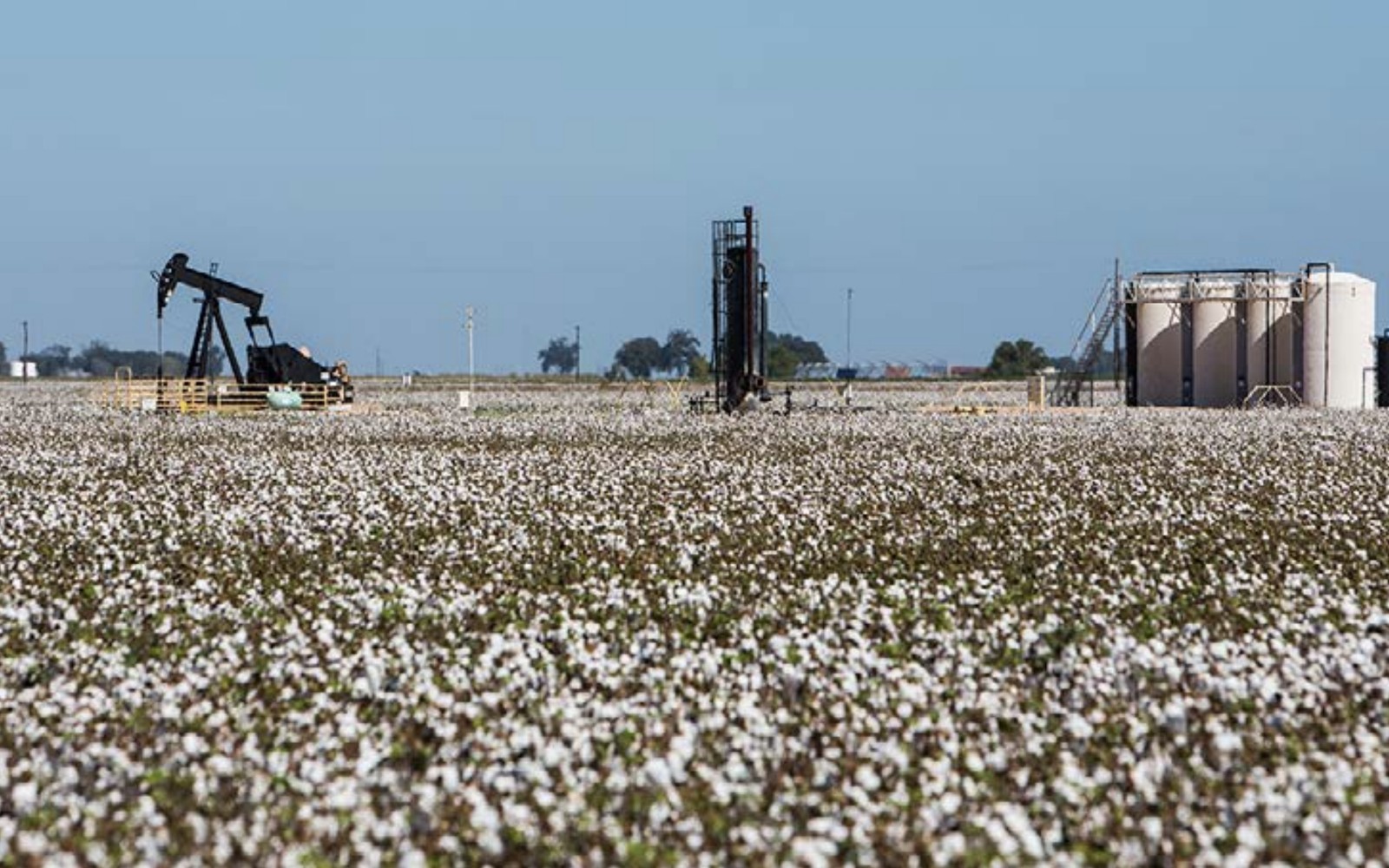
Haynesville Shale Mineral Rights
Few plays swing as hard with the natural gas market as the Haynesville, and that volatility is the first thing to understand before putting a number on what mineral rights there are worth.
The Haynesville Shale sits deep — often 10,000 to 14,000 feet down — across a stretch of East Texas and northwest Louisiana, centered on parishes like Caddo, DeSoto, Bossier, and Red River, along with Panola and Harrison counties on the Texas side. It's a high-pressure, high-temperature dry gas play, which makes wells expensive to drill and complete but capable of very strong initial production rates once online. That combination of high cost and high output means Haynesville economics, and mineral values, respond more sharply to natural gas prices than almost any other major play.
The Haynesville has also become closely tied to Gulf Coast LNG export demand, since its location gives it relatively short pipeline runs to Louisiana export terminals. That's added a demand-side driver beyond domestic gas consumption, which has periodically pulled activity and mineral interest into the play even during stretches when other gas basins were quieter.
Depth and Cost Make This a High-Stakes Gas Play
Because Haynesville wells are drilled so deep and require substantial pressure-rated equipment, they cost considerably more to complete than a shallower shale well elsewhere. Operators need sustained, healthy gas prices to justify that spend, which means drilling activity here can ramp up quickly when gas prices are strong and pull back just as quickly when they soften. For a mineral owner, that translates into an unusually direct relationship between current gas market conditions and how active — and valuable — the play looks at any given time.
LNG Demand Has Changed the Calculus
Gulf Coast LNG export facilities draw heavily on nearby gas supply, and the Haynesville's proximity gives it a logistical advantage over some other gas basins. As export capacity has grown, it's added a demand pull that isn't purely tied to domestic weather and storage patterns, which has supported periods of renewed drilling interest in the play. That said, LNG demand growth is not a permanent floor under gas prices, and export facility timelines and utilization can shift, so this should be understood as one factor among several rather than a guarantee.
Producing vs. Undeveloped Acreage Split Sharply Here
A producing royalty in an actively developed Haynesville unit, particularly with a recent, strong well, can support a real multiple given the play's high per-well output. Undeveloped acreage, by contrast, is genuinely speculative here — given the high cost of drilling, operators are selective about where they commit capital, and a quiet tract with no nearby permits can sit undeveloped for extended stretches even within an otherwise active parish.
Louisiana and Texas Handle Some Things Differently
Because the play straddles the state line, mineral owners should be aware that Louisiana's forced pooling, unitization, and royalty deduction rules differ from Texas's in some respects. If you own interests on both sides of the line, or are comparing an offer against a neighbor's in the other state, it's worth checking that you're comparing similar regulatory and lease circumstances rather than assuming the two states work identically.
What a Serious Buyer Reviews First
For producing Haynesville acreage, buyers typically start with the well's flowing casing pressure trend and cumulative production relative to type curves for the immediate area, since high-pressure wells here can decline quickly once pressure starts dropping. For undeveloped acreage, the first question is usually which operator holds the surrounding leasehold and what their public development commentary suggests about near-term plans, since capital allocation decisions in this basin can shift a quiet section into an active one fairly quickly when conditions line up.
Questions That Can Move the Range
Why do Haynesville mineral offers move so much with gas prices?
Wells here are deep and expensive to drill, so operators need strong sustained gas prices to justify new completions; that makes drilling activity, and the mineral offers tied to it, unusually responsive to gas market swings compared with shallower plays.
Does LNG export demand mean Haynesville values will keep climbing?
LNG demand has been a real, added driver for the play given its proximity to Gulf Coast export terminals, but it's one factor among several, not a guarantee — export facility utilization and broader gas prices can still shift.
Why would your undeveloped Haynesville tract get a low offer despite the play being hot?
High drilling costs make operators selective about where they commit capital, so undeveloped acreage without nearby recent permits is priced speculatively even in an active parish, distinct from producing units with an established well.
Do Texas and Louisiana treat Haynesville minerals the same way legally?
Not entirely — the two states have some differences in pooling, unitization, and royalty deduction rules, so it's worth confirming which state's rules apply to your specific tract before comparing offers across the state line.
How quickly can Haynesville drilling activity change direction?
Given the play's high cost and gas-price sensitivity, rig counts here have shifted noticeably within a matter of months during past price swings, faster than in some lower-cost basins, which is worth remembering when evaluating how current an offer's assumptions really are.
Test the next variable in the range
Marcellus Shale Mineral Rights
Marcellus Shale mineral rights split sharply by state and by dry-gas vs wet-gas geography. What actually separates a strong offer from a modest one here.
Utica Shale Mineral Rights
Utica Shale mineral rights sit beneath the Marcellus in Ohio and beyond. Learn why depth, windows, and county location shape such a wide value range.
San Juan Basin Mineral Rights
San Juan Basin mineral rights center on decades-old coalbed methane and conventional gas in New Mexico and Colorado. What that maturity means for value.
Ask What This Changes in the Range
Describe the property, county and state, interest type, producing status, net acres if known, records available, and the decision the value range needs to support. Or call 307-355-1195.