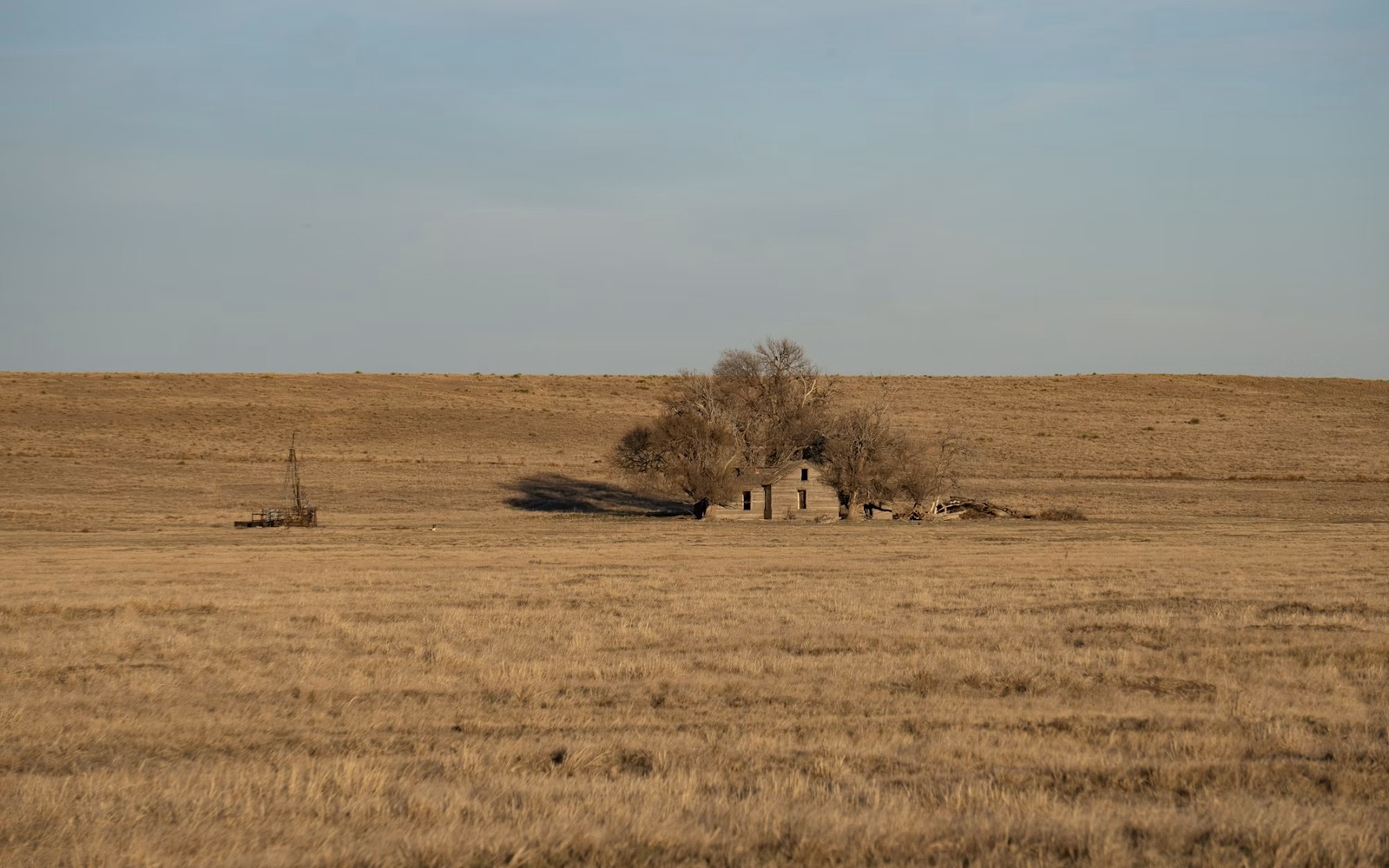
Non-Producing Minerals
No royalty checks doesn't mean no value; it means the value has to be estimated instead of measured.
Owning mineral rights with no well ever drilled on them, and possibly a lease that already expired, puts you in the hardest category to price precisely. There's no royalty statement to point to, no decline curve to model, nothing but the acreage itself, its location, and whatever's happening nearby.
That doesn't mean the interest is worthless. It means the estimate leans more heavily on geology, offset activity, and leasing history in the area than on your own production data, because there isn't any. Here's what actually goes into that estimate and why it tends to be a wider range than what a producing owner would get quoted.
What drives value when there's no production to measure
Position within the play matters more than almost anything else. Acreage in the core of an active formation, near recent permits, active rigs, or wells drilled in the last couple of years, carries meaningfully more speculative value than the same acreage on the edge of the play or in a county where activity has quieted down.
Leasing history is the next best signal. If your acreage or nearby tracts have been leased recently, even without drilling, that tells a buyer operators are still interested enough to pay bonus money in the area. A long stretch with no leasing activity at all is a signal the other direction.
Mineral estate size and cleanliness of title round it out. Larger contiguous acreage with a straightforward chain of title is easier to value and market than small, fragmented, or unclear ownership, even before getting into geology.
Depth of the target formation matters too, since deeper wells generally cost more to drill and complete, which can make an operator more selective about which acreage justifies that investment relative to a shallower, cheaper target with similar production potential.
Why estimates vary more here than for producing interests
Because there's no cash flow to anchor a discounted cash flow model, non-producing valuations lean on comparable sales and leasing activity, which themselves can be sparse or dated in quieter counties. Two buyers looking at the same tract can reasonably land on different numbers depending on how they weight recent activity versus longer-term basin trends.
This is normal, and it's worth getting more than one estimate if the acreage is significant, rather than treating the first number you hear as definitive.
An expired lease specifically resets the acreage to unleased status, but the fact that it was leased once, and for how much bonus, is still useful information for anyone estimating value going forward.
Should you sell non-producing minerals at all
Some owners hold non-producing minerals indefinitely as a long-shot bet on future development, particularly in plays where activity has historically come in cycles. Others prefer to sell now, taking a smaller certain amount rather than waiting years for drilling that may or may not happen.
There's no universally right answer; it depends on your own timeline, whether you need the money now, and how much you're willing to sit on an asset with genuinely uncertain upside. Getting a written estimate costs nothing and gives you a real number to weigh against just holding and waiting.
One middle path some owners overlook: continuing to hold the minerals while periodically checking in on activity nearby, say once a year, rather than either committing to a permanent hold or rushing a sale. Basin activity can shift meaningfully in a couple of years, and a tract that looks quiet today can look different once a neighboring county sees a new round of permits.
Questions That Can Move the Range
Are non-producing mineral rights worth anything at all?
Usually yes, though the value is speculative rather than income-based. Position within an active play and recent leasing activity in the area are the main drivers. Acreage far from any current activity may carry minimal value until something changes nearby.
How is value estimated with no royalty history?
Estimators lean on offset well performance, recent leasing and sale activity in the county, and geological position within the formation, treating your acreage as a reasonable proxy for what's happening around it rather than relying on your own production numbers, since none exist yet.
Your lease expired years ago with no drilling. Does that hurt the value?
An expired lease resets your minerals to unleased status but isn't necessarily a bad sign; leases expire for lots of reasons unrelated to the acreage's quality, including operator budget shifts or portfolio changes. What matters more is whether activity has picked up nearby since.
Why did one buyer's estimate come in so much higher than another's?
Non-producing valuations vary more than producing ones because there's no cash flow to check estimates against. Different buyers weight recent leasing activity, basin cycles, and risk tolerance differently, so getting more than one estimate is worth doing before deciding.
Does mineral acreage size matter for non-producing tracts?
Yes, in two ways. Larger contiguous acreage is generally easier to market and can attract more buyer interest, and it also gives an operator more flexibility in laying out a future drilling unit, which can make the acreage more attractive for eventual leasing even before any well is drilled.
Test the next variable in the range
Fractional & Small Interests
A tiny undivided mineral interest inherited across heirs still has real per-unit value. Learn how fractional ownership gets priced and why size affects process more than rate.
Trust-Owned Minerals
Trustees selling mineral rights held in a trust carry fiduciary duties beyond a single number. Here's how trust-owned minerals get valued and what to document.
Out-of-State Owners
Managing mineral rights from another state adds real friction: tracking division orders, filing multi-state taxes, chasing paperwork. Here's how that affects worth.
Ask What This Changes in the Range
Describe the property, county and state, interest type, producing status, net acres if known, records available, and the decision the value range needs to support. Or call 307-355-1195.