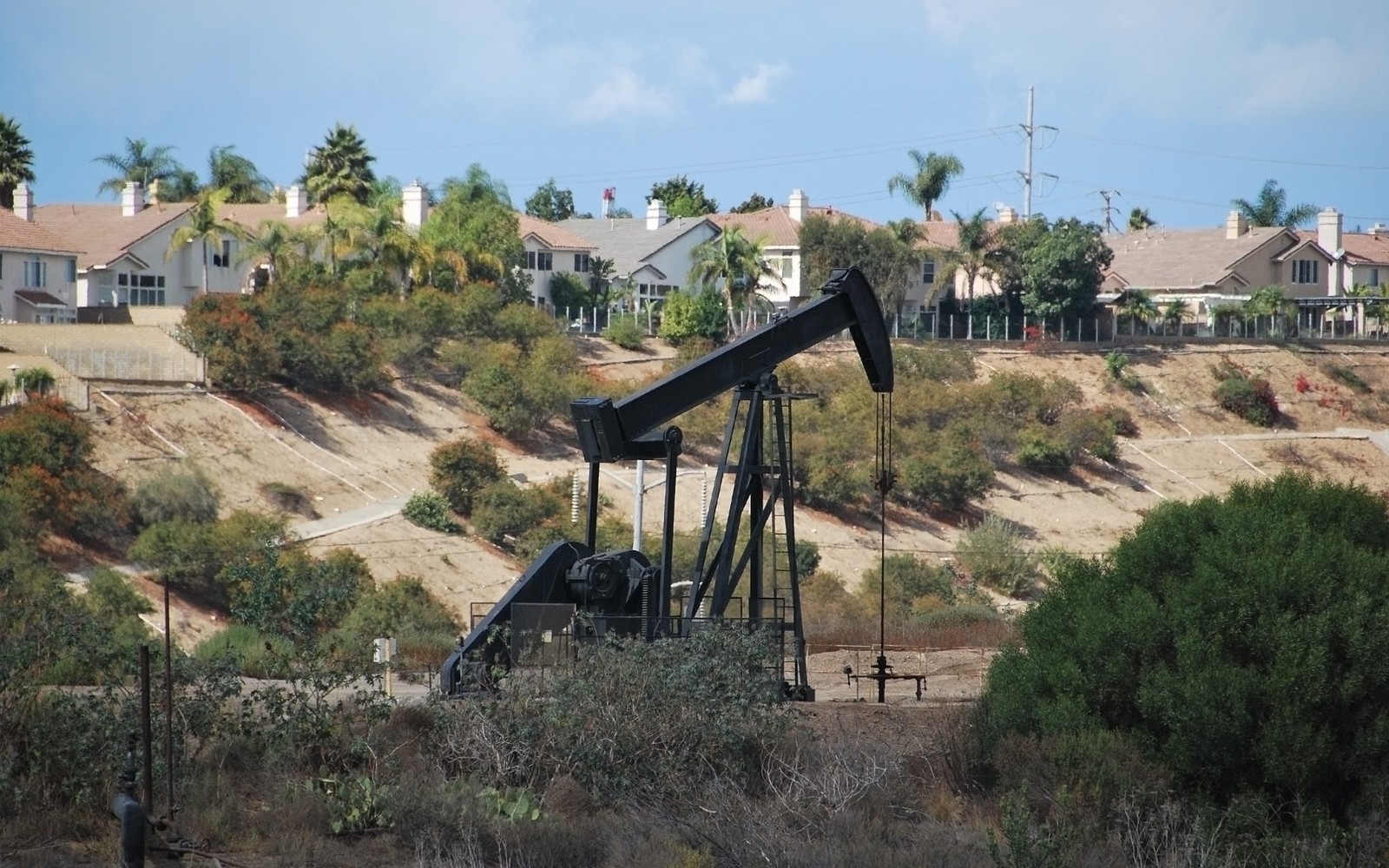
Surface vs. Mineral Estate
Owning the land and owning what's under it are two separate estates, priced by two entirely different sets of rules.
In much of oil and gas country, the surface estate (the land itself, usable for farming, building, or living on) and the mineral estate (the oil, gas, and other minerals beneath it) can be owned by different people entirely. This split, called severance, happened decades ago in many areas when a landowner sold the surface but kept the minerals, or vice versa, and the two estates have been valued and transferred separately ever since.
If you own one without the other, or you're trying to understand what you actually have, this distinction is the starting point for any worth question, since surface value and mineral value don't move together and often aren't even influenced by the same factors.
Why the two estates are valued so differently
Surface value is driven by conventional real estate factors: acreage, soil quality, location relative to towns and roads, water access, and whether it's usable for farming, ranching, or development. None of that has much to do with what's happening underground.
Mineral value is driven by an entirely separate set of factors: production status, formation, county activity, lease terms, and net mineral acreage. A tract with excellent, valuable farmland can sit over minerals worth relatively little if the geology doesn't support production, and conversely a modest patch of land can sit over minerals worth far more than the surface itself if it's in the core of an active play.
This is why owning the surface tells you nothing reliable about what the minerals underneath are worth, and owning the minerals tells you nothing about the land's surface value. They have to be assessed independently.
What surface owners without minerals should know
If you own the surface but not the minerals, the mineral owner or their lessee generally retains the right to access the surface as reasonably necessary to explore for and produce minerals, subject to state law and any surface use agreement in place. This doesn't affect the surface's own market value directly, but it does mean a surface owner has limited ability to block drilling activity on their land if the mineral owner leases it.
Some states require a surface use agreement compensating the surface owner for damages caused by drilling activity (access roads, well pads, pipeline easements), which is worth understanding if you're weighing the surface estate's practical value in an active or potentially active area.
Surface owners sometimes underestimate how much a pending or active well can affect day-to-day use of their land, from access roads cutting through a pasture to noise and traffic during drilling and completion. None of this changes the surface's underlying market value in a formal appraisal sense, but it's a real practical consideration for anyone actively using the land.
What mineral owners without surface should know
If you own minerals but not the surface, your value is tied entirely to the mineral estate factors above, production status, county, formation, lease terms, regardless of who owns or what happens to the land above. You have leasing rights and royalty entitlement, but no claim on the surface's real estate value.
This split ownership is extremely common in legacy oil and gas regions, often the result of a mineral reservation in a decades-old deed, and it's worth confirming which estate, or both, you actually hold before assuming either estate's value applies to what you own.
It's also worth noting that owning minerals without surface doesn't limit your ability to sell, lease, or transfer the mineral interest independently of whoever owns the surface at any given time. The two estates can change hands entirely separately, with neither owner needing the other's involvement or consent for their own transaction.
Questions That Can Move the Range
If you own the surface, do you automatically own the minerals too?
Not necessarily. In many areas the two estates were severed decades ago, often through a mineral reservation in an old deed. Check your deed and the county's mineral ownership records to confirm whether you hold the mineral estate, the surface estate, or both.
Does mineral value ever affect what your land is worth as real estate?
Sometimes indirectly, since a buyer of the surface alone might factor in the possibility of drilling activity or a surface use agreement, but generally the two are appraised separately using different methods, and mineral production doesn't directly increase or decrease standard farmland or residential land value.
Can a mineral owner drill on your land without your permission if you only own the surface?
In most states, mineral rights generally take priority for reasonable access, meaning a mineral owner or lessee can typically access the surface to develop the minerals, though state law and any surface use agreement may require compensation or restrict how that access happens.
How do you find out if your property's minerals were ever severed?
Check your deed for any mineral reservation language, and search the county's real property and oil and gas records, which typically track mineral ownership separately from surface ownership going back through the chain of title.
Does it matter who owns adjacent minerals if you only own the surface?
Sometimes. If a neighboring mineral owner leases and a well is drilled under a spacing unit that includes part of your surface acreage, that can affect surface access and any compensation you're entitled to, even though you don't own the minerals producing from that well.
Test the next variable in the range
Working Interests
A working interest pays more per unit produced but carries real drilling and operating cost exposure. Here's how that shapes value, priced net of expenses.
Mineral Rights
Mineral rights value depends on production, county, and formation more than any single rule of thumb. Here's the full breakdown of what actually sets the price.
Royalty Interests
Royalty interests pay production income with no drilling cost exposure. Here's how they're priced off actual statements and what changes the range.
Ask What This Changes in the Range
Describe the property, county and state, interest type, producing status, net acres if known, records available, and the decision the value range needs to support. Or call 307-355-1195.