Antrim Shale Mineral Rights
Antrim Shale wells produce small amounts of gas for a very long time, and that single fact shapes almost everything about what these Michigan mineral rights are worth.
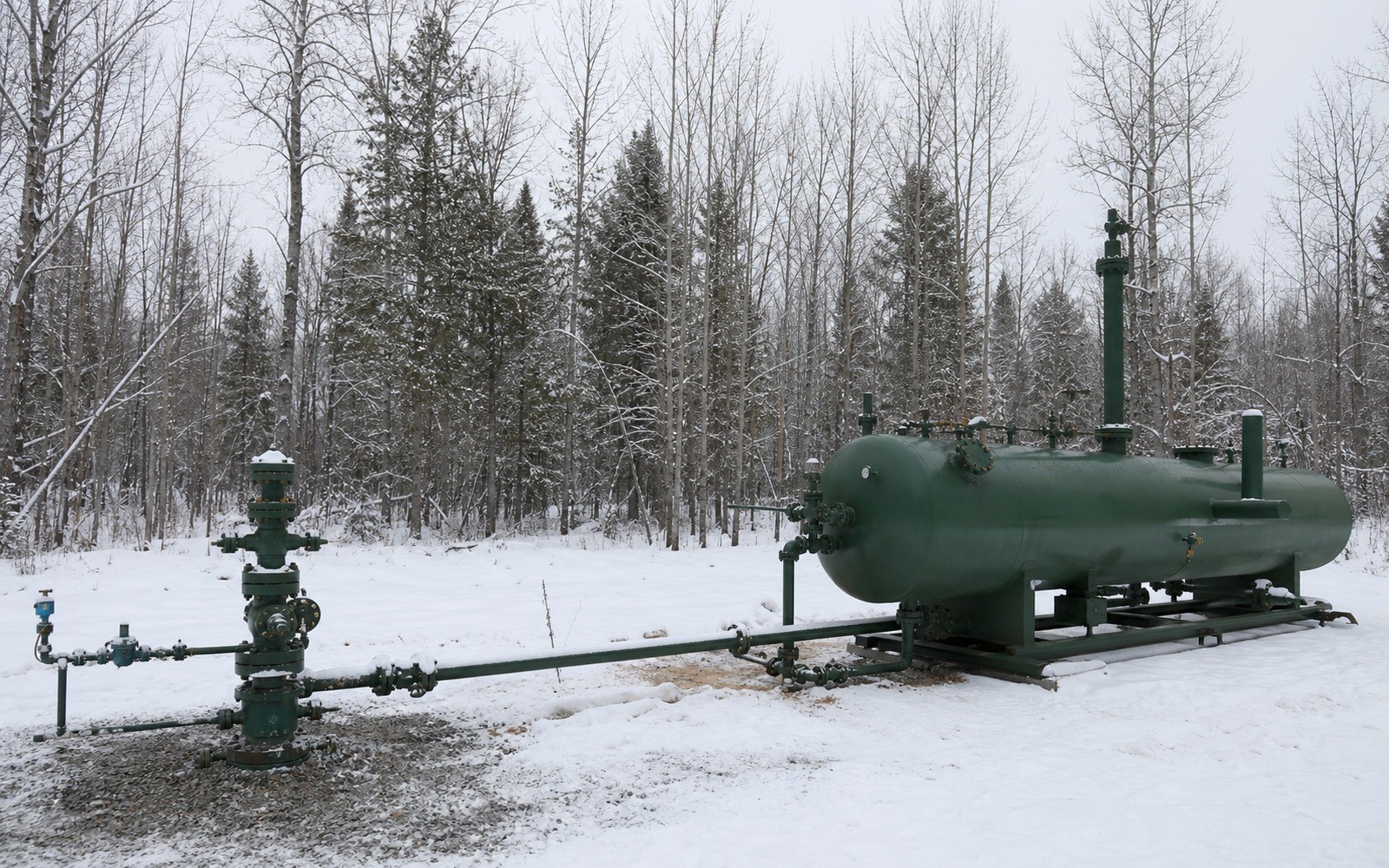
The Antrim Shale sits in the northern Michigan Basin, and it's a different animal from the shale plays everyone talks about in Texas or Pennsylvania. Antrim gas is biogenic — generated by microbial activity rather than deep heat and pressure — and it flows from shallow depths, often under 2,000 feet, at low volumes but for decades. Thousands of wells were drilled here mostly in the 1980s and 1990s, and a large share of them are still producing today, just at a fraction of their original rate.
Because the play developed early and has been in slow decline for years, most Antrim mineral value comes from existing production, not speculation about new drilling. Buyers looking at Antrim tracts are typically pricing a long, flat tail of small royalty checks rather than betting on a hot new formation.
A Shallow, Slow-Decline Gas Play
Unlike thermogenic shale gas, which often starts high and falls off fast, Antrim wells tend to have a shallower decline curve once they get past the early dewatering phase. That's part of why so many original-era wells are still on line decades later. For a mineral owner, that means a producing Antrim royalty can be a genuinely long-lived income stream, but it's also a small one — individual well rates here are modest compared to a Marcellus or Haynesville well many states away.
What Buyers Actually Pay For
Most Antrim mineral purchases are valued off trailing royalty income with a multiple applied for remaining reserve life, similar to how any mature, producing asset gets priced. Because new drilling in the play has been minimal for years, there's little speculative premium being paid for undeveloped acreage the way there might be in an active shale basin. If your tract has no production history, an offer is likely to be modest and tied mostly to the chance of a future recompletion or infill well nearby, which is not common in this play right now.
Gas price still matters even at these low volumes — a stretch of weak Henry Hub pricing can push marginal Antrim wells toward shut-in status, which is worth asking about before assuming a royalty check will keep arriving at the same size indefinitely.
Checking Well Status Before You Value Anything
Given how old this play is, a meaningful share of original Antrim wells have already been plugged or are producing at rates too low to justify continued operation. Before valuing minerals here, it's worth checking the Michigan Public Service Commission or state oil and gas records for the actual well status on and around your tract, rather than assuming decades-old production is still flowing. A plugged well changes the conversation from income valuation to speculative valuation entirely.
State production records also show monthly volumes by well, so it's possible to see roughly where a well sits on its decline curve rather than guessing from an old royalty statement. That's worth doing before comparing your tract to a general Antrim range, since a well still in its first decade of production and one thirty years in can look very different even sitting a few miles apart.
Ownership Patterns Common to This Basin
A lot of Antrim mineral interests trace back to family farmland leased in the original 1980s boom, and many owners today are heirs who inherited a fractional interest without ever seeing the original lease. Because the leases are old, royalty fractions can be lower than what's typical today, and some tracts were pooled into large drilling units that split a small check many ways. Pulling the original lease and any division order from the county register of deeds is usually the fastest way to understand what you actually hold before comparing it to any general market range.
Questions That Can Move the Range
Is the Antrim Shale still being actively drilled?
New drilling has been limited for years. Most current activity is producing legacy wells rather than permitting new ones, so mineral value here leans on existing production more than future drilling speculation.
Why are Antrim royalty checks so small compared to other shale plays?
Antrim gas is biogenic and shallow, producing at lower volumes per well than deep thermogenic shale plays, even though many wells keep producing for a long time at that lower rate.
How do you know if your well is still producing?
Check Michigan's state oil and gas production records for the specific well or unit, since a meaningful number of original-era Antrim wells have already been plugged.
Does an old, low royalty fraction on your lease still apply?
Generally yes, unless the lease has expired or been formally renegotiated — the original terms typically carry forward, which is why pulling the actual recorded lease matters.
What drives an offer on non-producing Antrim minerals?
Mostly the likelihood of future activity nearby, which is currently low across most of the play, so offers on undeveloped Antrim tracts tend to be modest compared to producing units.
Can you sell just a portion of your Antrim mineral interest?
Often yes — partial interest sales are common in older, fractionated plays like this one, though buyers will still want the same well-status and lease documentation regardless of what percentage of the interest is being sold.
Test the next variable in the range
Powder River Basin Mineral Rights
Powder River Basin mineral rights shifted from coalbed methane to stacked oil plays. See how that history splits value between older and newer production.
Green River Basin Mineral Rights
Green River Basin mineral rights center on deep tight gas fields like Pinedale and Jonah. What drives value in this Wyoming gas basin, honestly explained.
DJ Basin Mineral Rights
DJ Basin mineral rights near Denver carry unique regulatory pressure alongside the usual drivers. What Weld County setbacks and local rules mean for value.
Ask What This Changes in the Range
Describe the property, county and state, interest type, producing status, net acres if known, records available, and the decision the value range needs to support. Or call 307-355-1195.